



Explore Our Resources
Dive into our resources for expert thought leadership, practical know-how, and authentic success stories to inspire your research.
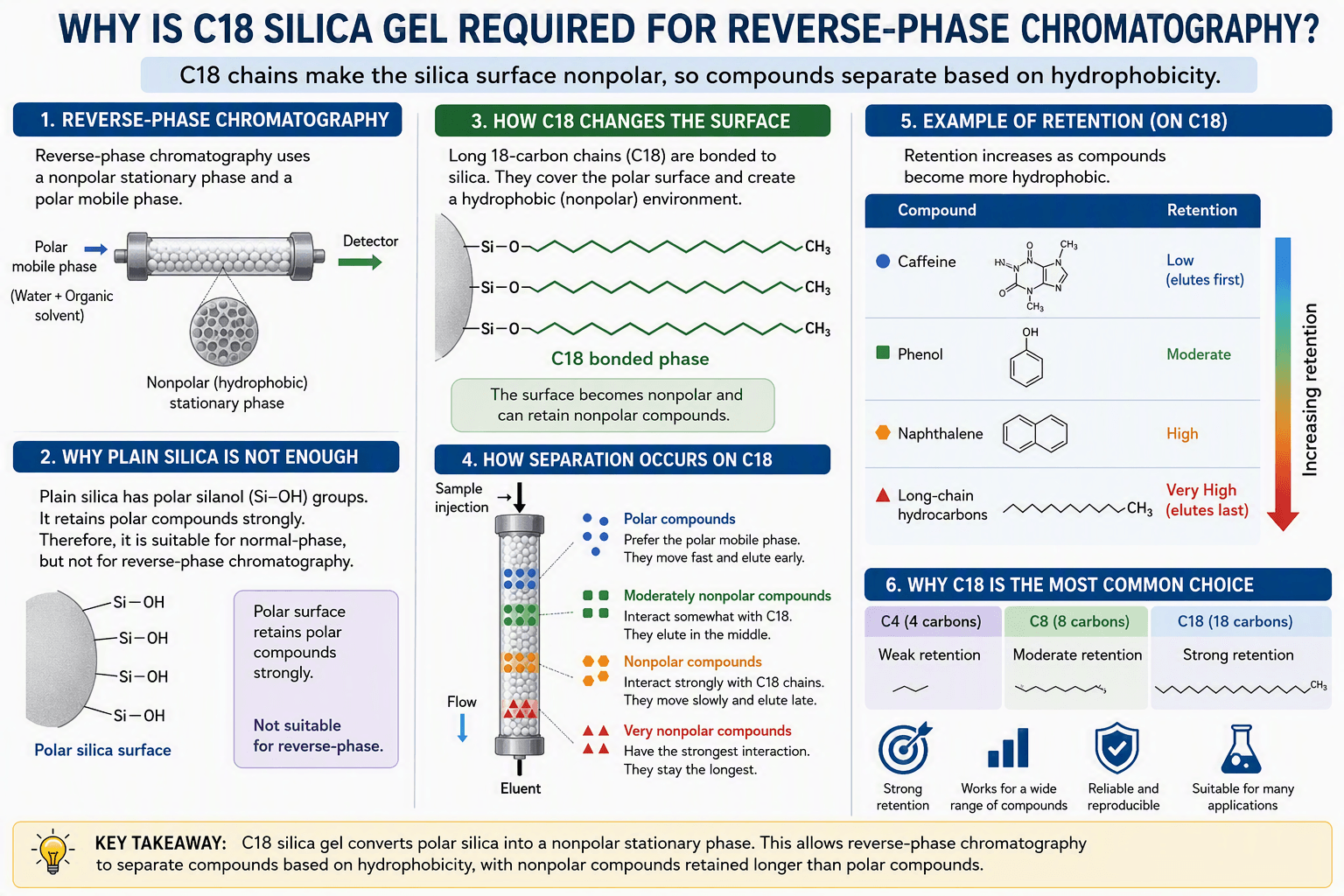
Why is c18 silica gel required for reverse phase chromatography?
What Is C18 Needed for Reverse-Phase Chromatography? Reverse-phase chromatography separates compounds based on their hydrophobicity, or how strongly they [...]
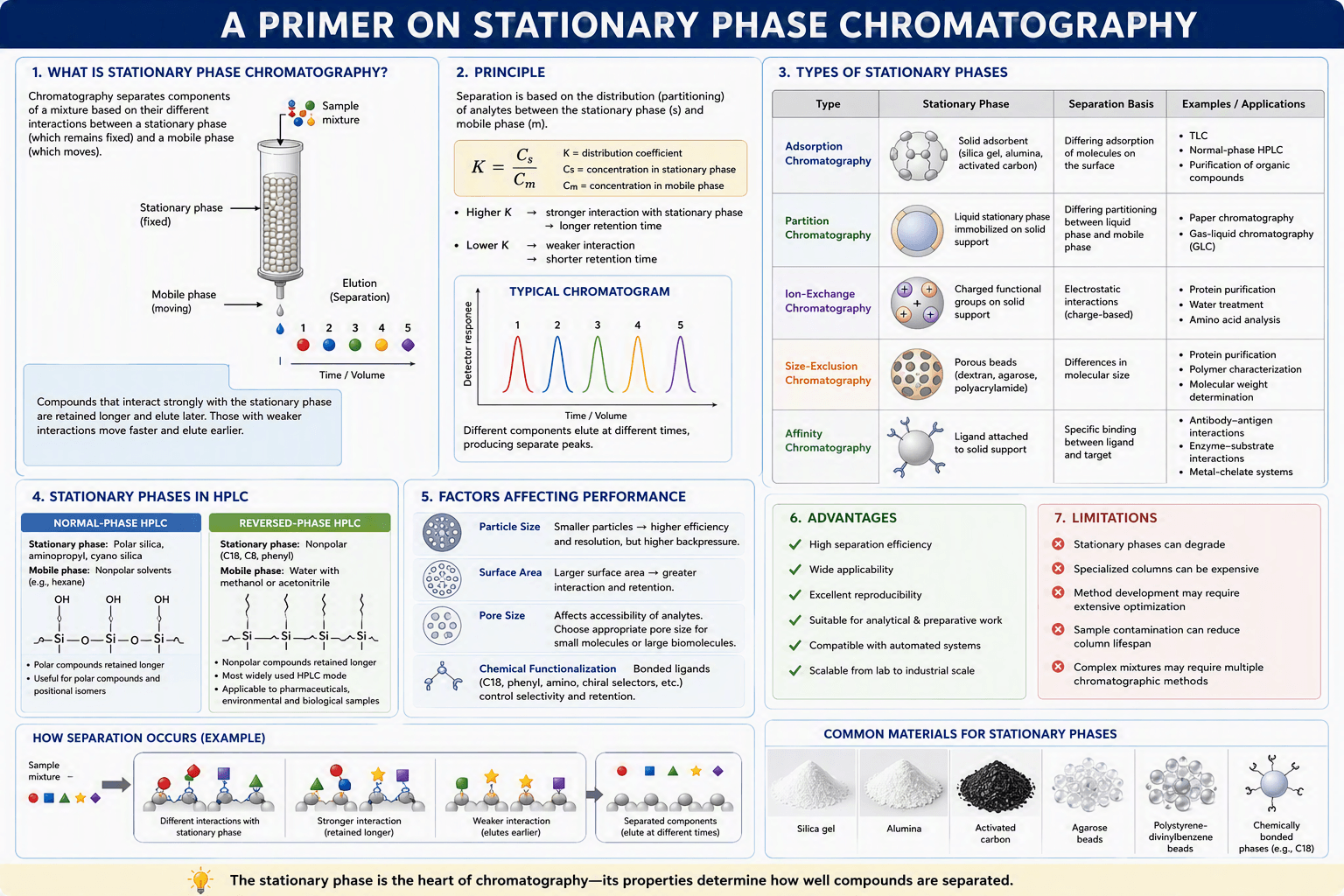
A Primer on Stationary Phase Chromatography
Introduction Stationary phase chromatography is a fundamental separation technique used in analytical chemistry, biochemistry, pharmaceuticals, environmental science, and [...]

Advancing Chromatography Performance in Glasgow, Scotland
Glasgow has long been recognized as one of Scotland's leading centers for scientific research, pharmaceutical development, environmental testing, and [...]
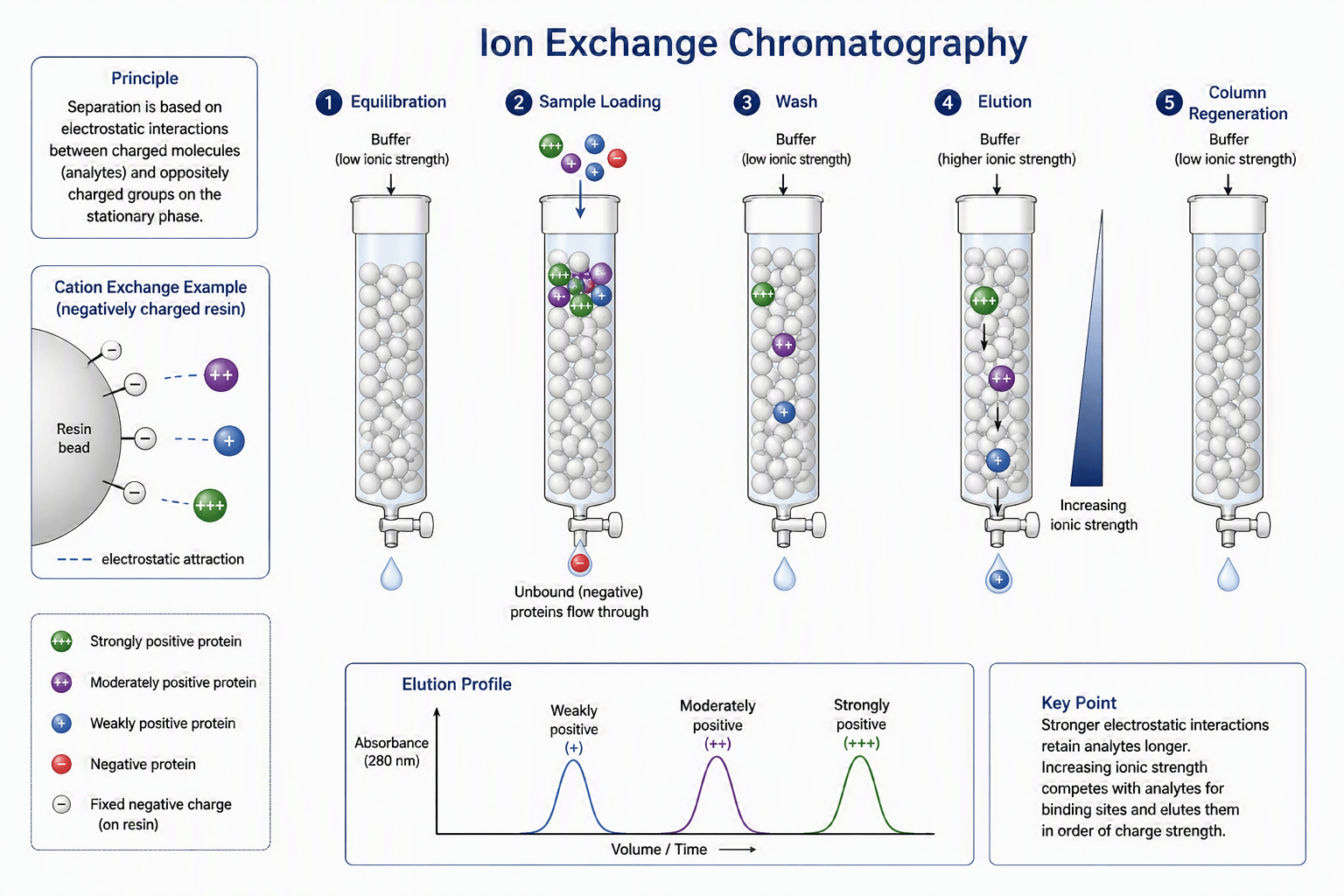
How does Ion-Exchange Chromatography work?
Ion-exchange chromatography (IEC) is a highly effective separation method that separates molecules based on their overall surface charge. As a [...]
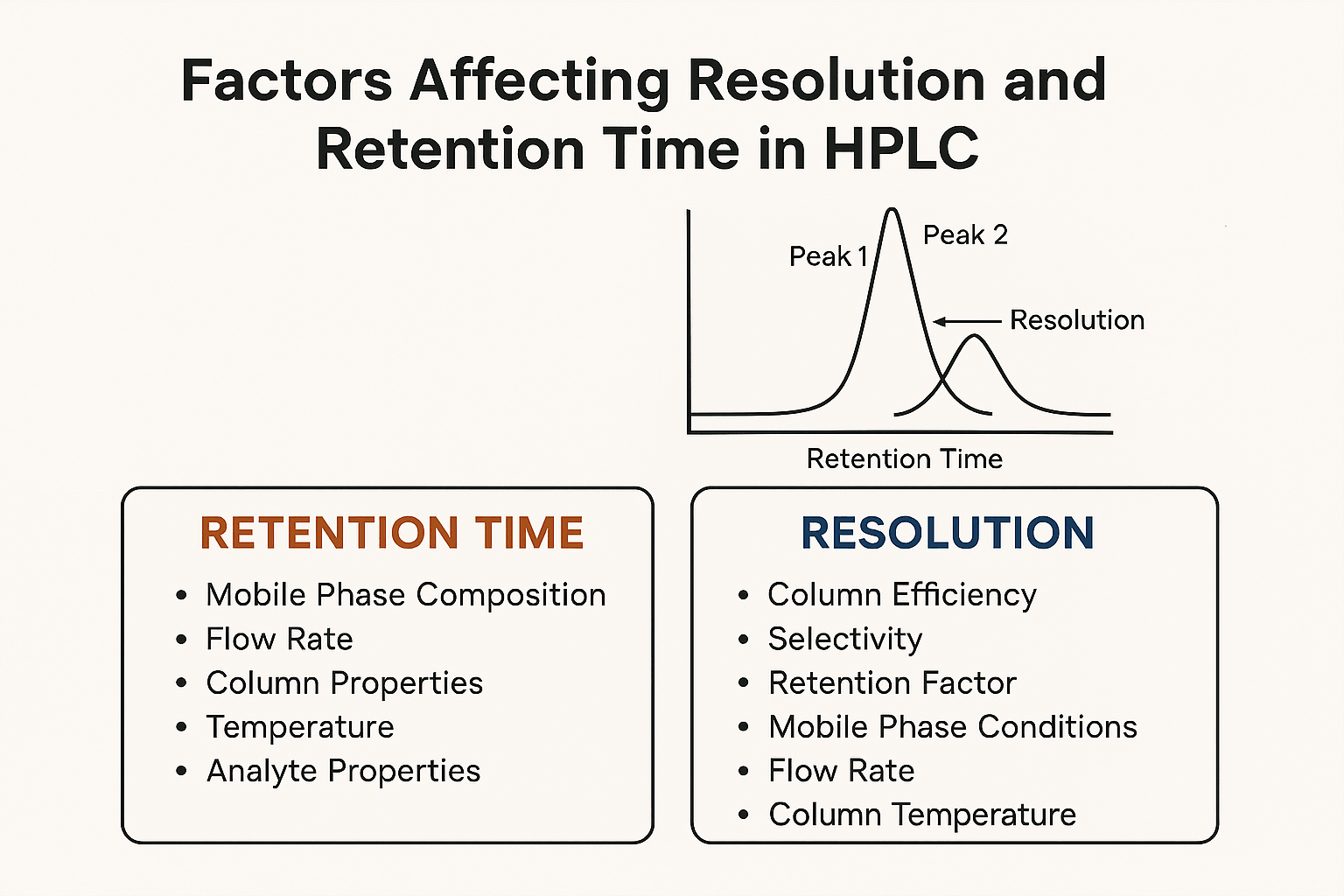
What factors affect the resolution and retention time in HPLC?
In High-Performance Liquid Chromatography (HPLC), resolution (how well two peaks are separated) and retention time (how long a compound [...]

What TLC plates are best for separating highly polar compounds?
For separating highly polar compounds on TLC, reversed-phase plates are typically the most effective choice. These plates feature a [...]

Protein Desalting Columns: A Small Step with a Big Impact in Your Chromatographic Toolbox
Protein Desalting Columns: A Small Step with a Big Impact in Your Chromatographic Toolbox In protein purification workflows, it’s [...]
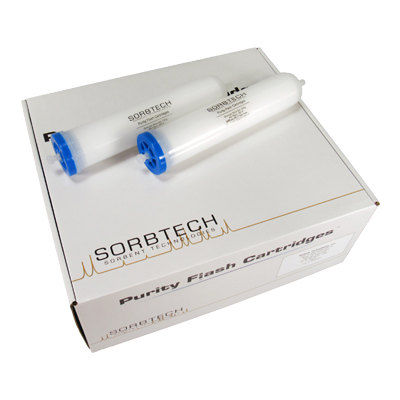
Flash Cartridge Compatibility with Automated Chromatography Systems
Break Free from Flash Cartridge Vendor Lock-In When it comes to flash chromatography, one of the most common frustrations [...]