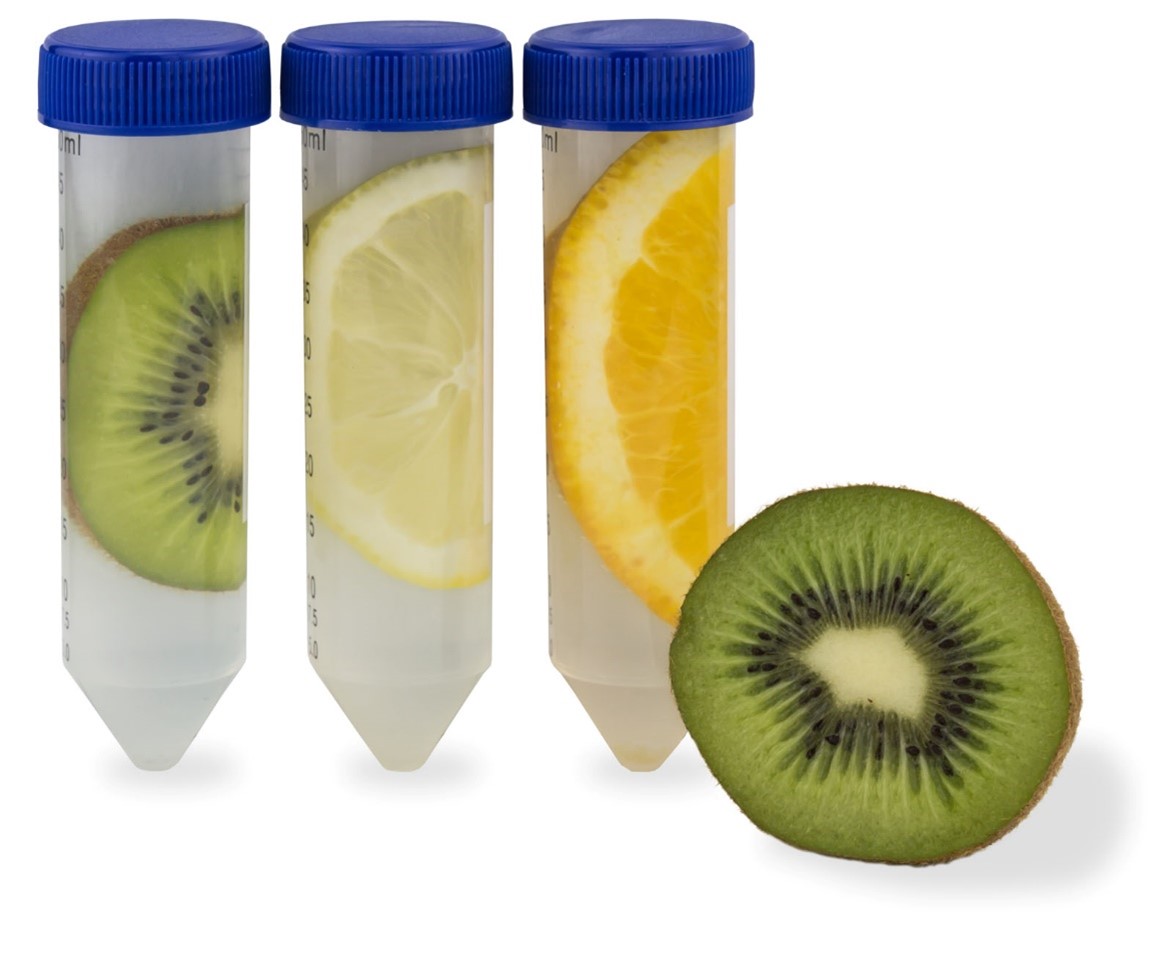


QuEChERS stands for Quick, Easy, Cheap, Effective, Rugged, and Safe. It is a sample preparation method widely used to test for pesticides, mycotoxins, and other contaminants in food and agricultural products. First introduced in 2003 by Anastassiades et al., QuEChERS quickly became one of the most trusted techniques in food analysis.
How QuEChERS Works
The method starts by extracting contaminants from a sample with a mix of aqueous and organic solvents. Next, the extract goes through dispersive solid-phase extraction (d-SPE), which removes unwanted matrix components that could interfere with the analysis.
Key Advantages
One major benefit of QuEChERS is its simplicity. Most labs can perform the method in under an hour with minimal equipment. In addition, the process is inexpensive, making it a cost-effective choice for routine testing.
QuEChERS is also highly selective. The d-SPE step cleans away background noise, making it possible to analyze a wide range of compounds accurately. Moreover, the method works well with many sample types, including fruits, vegetables, grains, and meats.
Analytical Compatibility
Another strength of QuEChERS is its compatibility with advanced techniques. Labs often pair it with gas chromatography (GC), liquid chromatography (LC), or mass spectrometry (MS). These pairings provide high sensitivity and specificity when detecting trace contaminants.
A common version of the method is AOAC 2007.1. In this variation, samples are extracted with acetonitrile, buffered with acetic acid and salts, and then cleaned using d-SPE with primary secondary amine (PSA) and graphitized carbon black (GCB) sorbents.
Conclusion
QuEChERS has earned its place as a go-to method for contaminant analysis in food and agriculture. It combines speed, simplicity, and affordability with strong selectivity and broad compatibility. Whether paired with GC, LC, or MS, this technique continues to help researchers and regulators ensure the safety of food worldwide.