


Silica G TLC Plates
Excellent Separation Efficiency for a Broad Range of Substances
Silica G TLC Plates are made using an unmodified silica gel 60Å and a binder system which provides for adherence to the substrate. The binder consists of Gypsum (CaSO4) and a polymer which yields a soft layer.
Advantages of Silica G TLC Plates:
- Excellent organic solvent resistance
- Can be used with aggressive visualization reagents
- For both normal and reversed phase modes
- Easily remove compounds with a scraper blade
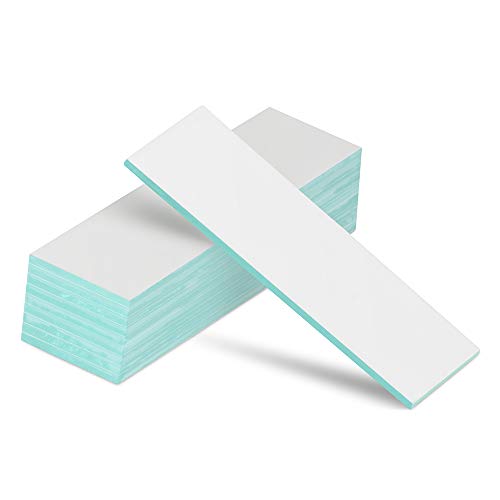
Silica G TLC Plates Specifications:
- Silica Gel Technical specifications:
- Mean pore size: 60 Å
- Specific surface area (BET): ~ 500 m2/g
- Specific pore volume: 0.75 mL/g
- Particle size range: 5-17 μm (analytical)
- Particle size range: 5-50 μm (preparative)
- Substrates
- Glass or polyester (plastic)
- Layer thicknesses
- Analytical
- 250μm for the glass backing
- 200μm for the plastic backing
- Preparative
- 500μm, 1000μm, 2000μm for the glass backing
- Analytical
- Plate dimensions
-
- Plates are available in various pre-cut sizes
Glass Backed w/UV254
| Catalog No. | Description | Price (USD) |
|---|---|---|
| 1615126 | Silica G TLC Plates, w/UV254, glass backed, 250um, 20x20cm, 25/pk | BUY NOW $304.42 |
| 1615137 | Silica G TLC Plates, w/UV254, glass backed, 250um, 10x20cm, 50/pk | BUY NOW $343.51 |
| 1615156 | Silica G TLC Plates, w/UV254, glass backed, 250um, 10x10cm, 25/pk | BUY NOW $131.48 |
| 1615148 | Silica G TLC Plates, w/UV254, glass backed, 250um, 5x20cm, 100/pk | BUY NOW $389.70 |
| 1615169 | Silica G TLC Plates, w/UV254, glass backed, 250um, 5x10cm, 200/pk | BUY NOW $504.60 |
| 1615167 | Silica G TLC Plates, w/UV254, glass backed, 250um, 5x10cm, 50/pk | BUY NOW $234.53 |
| 16151AB | Silica G TLC Plates, w/UV254, glass backed, 250um, 2.5x10cm, 400/pk | BUY NOW $465.65 |
| 16151A8 | Silica G TLC Plates, w/UV254, glass backed, 250um, 2.5x10cm, 100/pk | BUY NOW $417.31 |
| 1615190 | Silica G TLC Plates, w/UV254, glass backed, 250um, 2.5x7.5cm, 500/pk | BUY NOW $625.00 |
| 1615198 | Silica G TLC Plates, w/UV254, glass backed, 250um, 2.5x7.5cm, 100/pk | BUY NOW $345.87 |
Glass Backed
| Catalog No. | Description | Price (USD) |
|---|---|---|
| 1615026 | Silica G TLC Plates, glass backed, 250um, 20x20cm, 25/pk | BUY NOW $304.42 |
| 1615037 | Silica G TLC Plates, glass backed, 250um, 10x20cm, 50/pk | BUY NOW $343.51 |
| 1615048 | Silica G TLC Plates, glass backed, 250um, 5x20cm, 100/pk | BUY NOW $389.70 |
| 1615067 | Silica G TLC Plates, glass backed, 250um, 5x10cm, 50/pk | BUY NOW $234.53 |
| 1615069 | Silica G TLC Plates, glass backed, 250um, 5x10cm, 200/pk | BUY NOW $504.60 |
Polyester Backed w/UV254
| Catalog No. | Description | Price (USD) |
|---|---|---|
| 1624116 | Silica G TLC Plates, w/UV254, polyester backed, 200um, 40x20cm, 25/pk | BUY NOW $427.60 |
| 1624126 | Silica G TLC Plates, w/UV254, polyester backed, 200um, 20x20cm, 25/pk | BUY NOW $240.45 |
| 1624147 | Silica G TLC Plates, w/UV254, polyester backed, 200um, 5x20cm, 50/pk | BUY NOW $132.66 |
| 1624187 | Silica G TLC Plates, w/UV254, polyester backed, 200um, 4x8cm, 50/pk | BUY NOW $65.62 |
| 1624199 | Silica G TLC Plates, w/UV254, polyester backed, 200um, 2.5x7.5cm, 200/pk | BUY NOW $244.01 |
Polyester Backed
| Catalog No. | Description | Price (USD) |
|---|---|---|
| 1624026 | Silica G TLC Plates, polyester backed, 200um, 20x20cm 25/pk | BUY NOW $240.45 |
| 1624047 | Silica G TLC Plates, polyester backed, 200um, 5x20cm 50/pk | BUY NOW $132.66 |
| 1624087 | Silica G TLC Plates, polyester backed, 200um, 4x8cm 50/pk | BUY NOW $65.62 |
| 1624099 | Silica G TLC Plates, polyester backed, 200um, 2.5x7.5cm 200/pk | BUY NOW $244.01 |
Prep w/UV254
| Catalog No. | Description | Price (USD) |
|---|---|---|
| 1616125 | Silica G Prep TLC Plates, w/UV254, glass backed, 20x20cm, 500um, 20/pk | BUY NOW $399.18 |
| 1617124 | Silica G Prep TLC Plates, w/UV254, glass backed, 20x20cm, 1000um, 15/pk | BUY NOW $416.94 |
| 1618123 | Silica G Prep TLC Plates, w/UV254, glass backed, 20x20cm, 2000um, 12/pk | BUY NOW $453.66 |
Prep
| Catalog No. | Description | Price (USD) |
|---|---|---|
| 1616025 | Silica G Prep TLC Plates, glass backed, 20x20cm, 500um, 20/pk | BUY NOW $399.18 |
| 1617024 | Silica G Prep TLC Plates, glass backed, 20x20cm, 1000um, 15/pk | BUY NOW $416.94 |
| 1618023 | Silica G Prep TLC Plates, glass backed, 20x20cm, 2000um, 12/pk | BUY NOW $453.66 |
Precision Matters.
So Does Support.
If you need guidance, clarification, or product expertise, your Account Manager is ready to assist.
To use Silica G TLC plates, you begin by applying a small sample of the mixture as a thin line near the bottom of the plate. Next, you place the plate into a solvent or solvent mixture, known as the mobile phase. As the process continues, the solvent rises up the plate by capillary action. Along the way, it dissolves the compounds in the sample and carries them upward. Because each compound interacts differently with the stationary phase (silica gel) and the mobile phase, the compounds move at different rates. Therefore, separation occurs, and this process is called chromatography.
Once the solvent front has traveled the desired distance, you remove the plate from the chamber and allow it to dry. Afterward, distinct bands appear on the plate, with each band representing a different compound in the sample. In addition, the position and intensity of these bands can be measured. As a result, the compounds can be both identified and, to a certain extent, quantified.