What Are Alumina N TLC Plates?
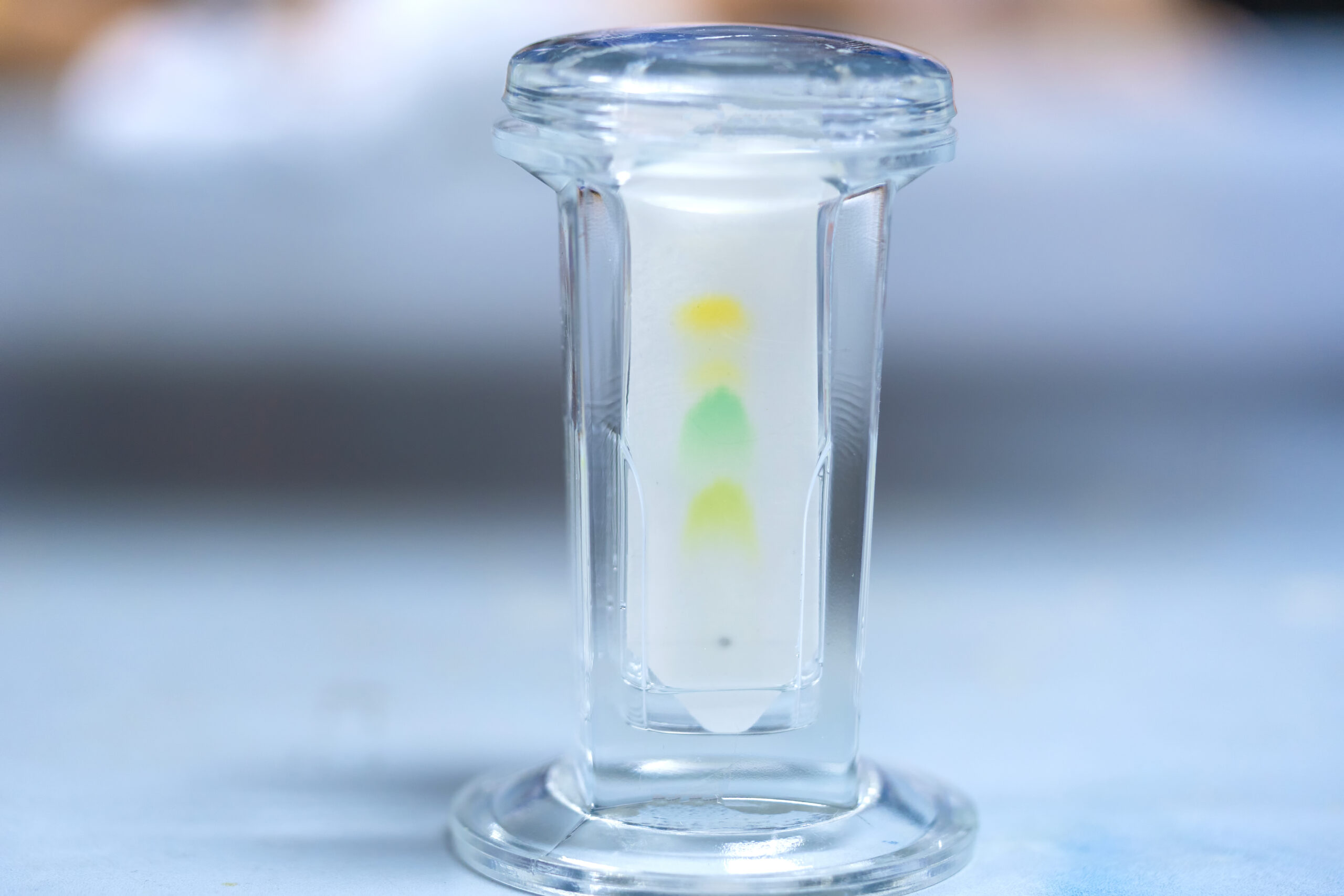
Alumina TLC plates are thin layer chromatography (TLC) tools coated with aluminum oxide. Scientists use them to separate basic and neutral compounds quickly and clearly. With a slightly basic pH of 6–8, these plates give different results than silica plates, so chemists can analyze a wider variety of compounds with strong resolution.
Why They Are Important in the Lab
In the lab, Alumina TLC plates provide a fast, low-cost, and reliable way to check chemical reactions, test purity, and identify unknown samples. Because TLC only needs a very small amount of sample and solvent, it is both efficient and practical. As a result, research labs, teaching labs, and industrial labs all use Alumina N plates for routine analysis.
How They Work
These plates separate compounds through adsorption chromatography. Each compound sticks to the alumina surface differently depending on its polarity and structure. Since the alumina layer has a large surface area and consistent pore size, it delivers strong and predictable separation. To keep results consistent, scientists often heat the plates to activate them and carefully control the moisture level, because water can block active sites on the surface.
Common Uses
You can use Alumina TLC plates for many types of compounds, such as terpenes, alkaloids, steroids, aliphatic compounds, and aromatic compounds. For example, pharmaceutical labs may use them to confirm active ingredients, while natural product chemists rely on them to study plant extracts and essential oils. In addition, industrial labs use them for product quality control, and universities use them for teaching chromatography techniques.
The Value They Provide
Overall, Alumina TLC plates give chemists reliable, reproducible, and accurate separations. Their ability to target basic and neutral compounds makes them a strong partner to silica plates, which usually target acidic compounds. Therefore, these plates expand what scientists can analyze and help ensure high-quality results in both research and routine testing.



 Buy now $279.54