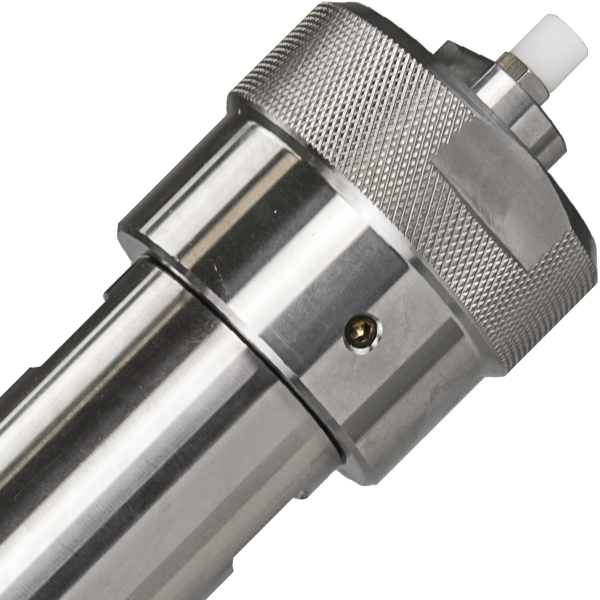


Prep Columns for Large-Scale Purification
A prep column, also known as a preparative chromatography column, is designed for separating and purifying large quantities of compounds, usually on the gram to kilogram scale. These columns are larger than analytical columns and offer a much greater sample-loading capacity. One of their biggest advantages is the ability to deliver compounds with very high purity, which is essential for both industrial production and advanced research.
Silica Gel Prep Columns
Among the most common types of prep columns is the silica gel column. These columns contain porous silica beads that can be chemically modified to create either polar or non-polar surfaces. The choice of stationary phase depends on the nature of the compounds being separated. For example, polar compounds like sugars or amino acids are best separated on a polar stationary phase, while non-polar compounds such as lipids and hydrocarbons separate more efficiently on non-polar stationary phases.
Reverse Phase Prep Columns
Another popular option is the reverse phase prep column, typically packed with hydrophobic stationary phases such as C18 or C8. These columns work especially well for polar compounds like peptides and proteins. Because the stationary phase is hydrophobic, polar compounds interact less with the surface and elute later, while non-polar compounds elute earlier due to stronger attraction to the stationary phase.
Ion Exchange Prep Columns
Prep columns can also be designed for ion exchange chromatography, which separates compounds based on charge. Columns packed with ion exchange beads can target positively or negatively charged molecules. For instance, anion exchange columns contain positively charged beads that attract negatively charged molecules, while cation exchange columns do the opposite. This method is particularly valuable for purifying proteins and nucleic acids.
Other Types of Prep Columns
Beyond silica gel and ion exchange, several specialized prep columns exist:
-
Metal affinity columns bind proteins that contain specific metal-binding groups, such as histidine tags.
-
Size exclusion columns separate molecules based on size, using beads with defined pore sizes that allow smaller molecules to diffuse while larger ones elute more quickly.
These variations make prep columns versatile tools for different purification needs.
Column Formats and Applications
Prep columns are available in a range of shapes and formats. Some are packed bed columns, filled tightly with beads, while others use slurry packing, where beads remain suspended in liquid. The choice depends on the compound being purified and the required efficiency.
Conclusion
In summary, a prep column is a powerful tool for large-scale compound separation and purification. With options ranging from silica gel to reverse phase, ion exchange, metal affinity, and size exclusion, these columns can be tailored to fit specific purification goals. Their ability to consistently deliver high-purity results makes them indispensable across industrial processes, pharmaceutical development, and academic research.